HEAL-4WARD brings together eleven interconnected doctoral projects to develop smarter ways to understand, detect and treat wound infections. By combining antimicrobial nanomaterials, biofilm research, label-free sensing, 3D printing and artificial intelligence, the network is working towards personalised technologies for infection care and diagnosis.
Wound infections are difficult to manage because biofilms can protect bacteria from antimicrobial treatment, while conventional diagnostics may not provide information quickly enough to guide therapy.
HEAL-4WARD combines antimicrobial nanomaterials, advanced biofilm models, label-free SERS sensing, 3D printing and AI to develop smarter approaches for detecting and treating infection. Across eleven interconnected doctoral projects, these technologies will contribute to personalised wound-care solutions, including multifunctional microneedle patches for targeted treatment and real-time monitoring.
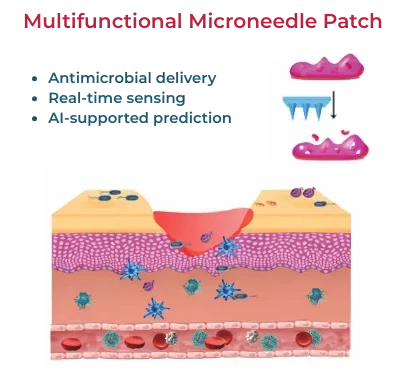
HEAL-4WARD brings together 11 PhD research projects spanning nanomaterials, biofilms, sensing, 3D printing and AI.
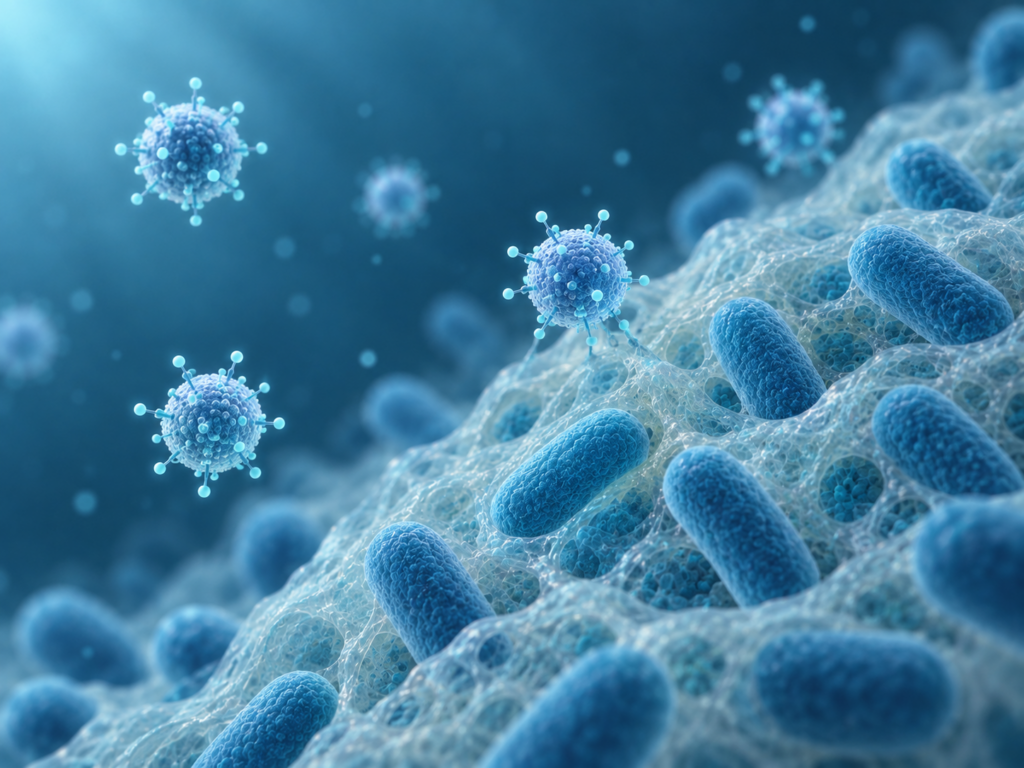
HEAL-4WARD is developing new antimicrobial peptidomimetics, polymers and nanomaterials designed to attack bacteria and disrupt protective biofilm structures. Functional nanomaterials will also act as carriers for antimicrobial molecules and biofilm-degrading agents, supporting targeted local treatment while limiting the risk of antimicrobial resistance.
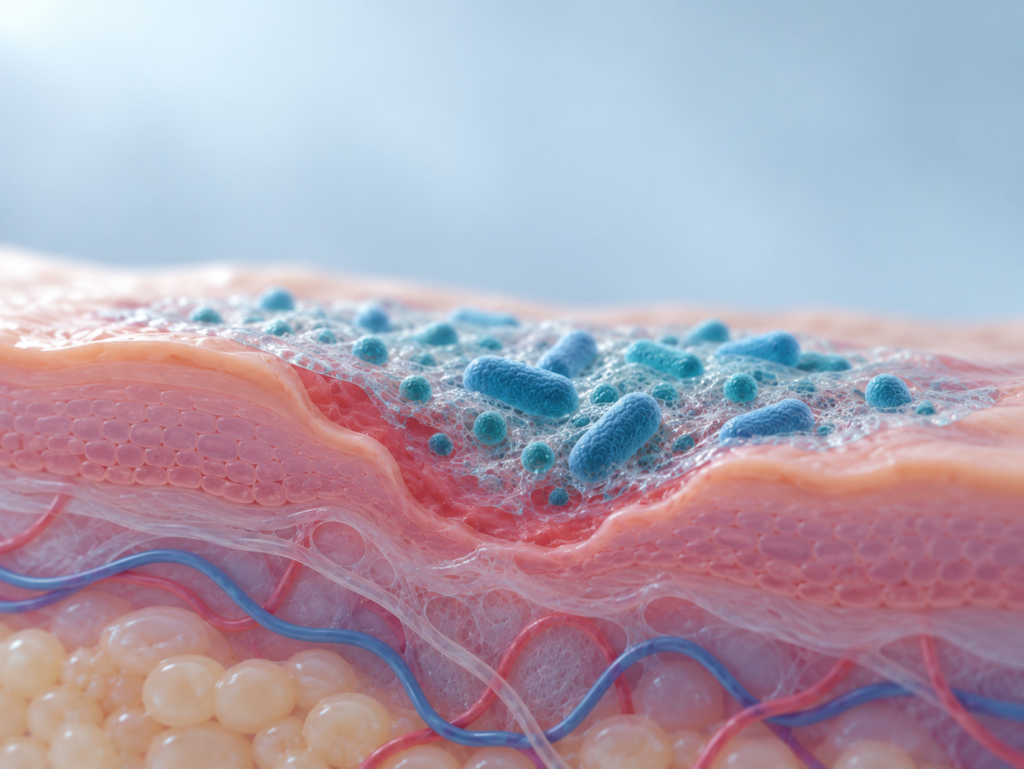
Advanced 3D models will recreate key features of wound tissue and microbial biofilms, enabling researchers to investigate how infections develop in complex environments. Plasmonic nanomaterials, carbon dots and label-free SERS will be used to detect microbial signals, visualise infection and monitor responses to treatment in real time.
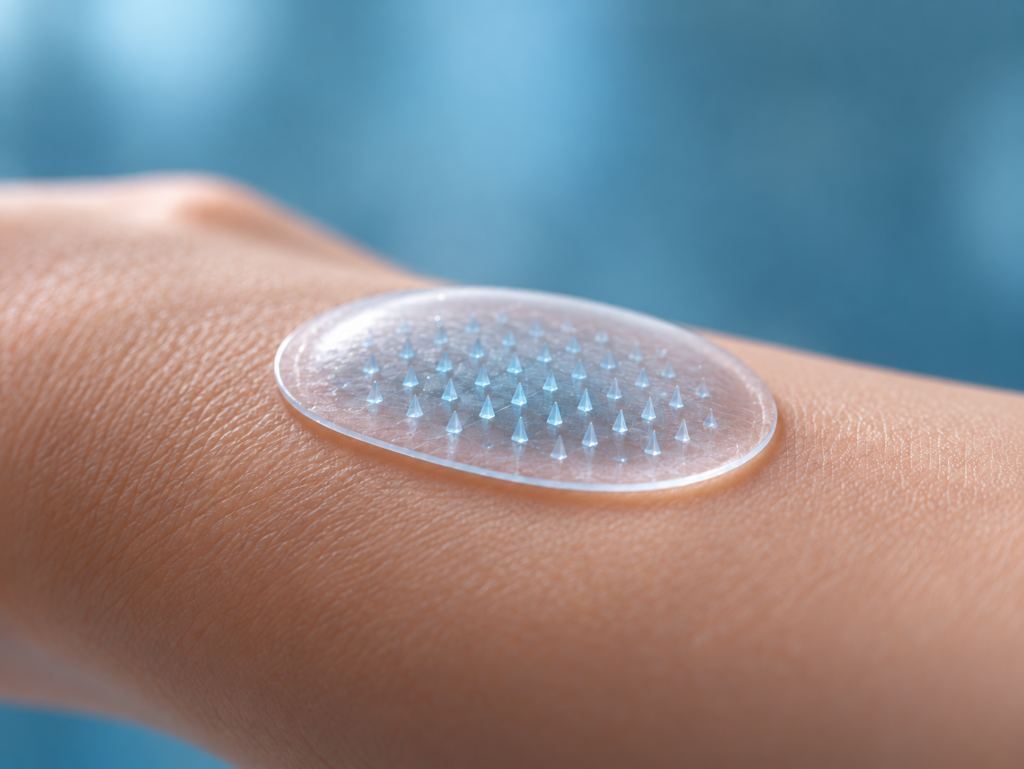
The network will develop renewable, degradable and stimuli-responsive polymer inks for advanced 3D printing. These materials will be combined with antimicrobial and sensing nanomaterials to create customised microneedle wound-patch prototypes, while AI models will support early recognition of sepsis and personalised treatment strategies.
Develop peptidomimetics with strong antimicrobial activity, improved stability and low cytotoxicity.
Develop nanomaterials functionalised with bioactive molecules to achieve synergistic antimicrobial effects.
Investigate how biofilms develop in 3D extracellular matrix models with different mechanical properties.
Evaluate NIR-activated plasmonic nanoparticles and enzyme-loaded nanomaterials for biofilm degradation.
Create 3D plasmonic platforms for SERS-based detection of bacterial infections, progressing towards full human skin models.
Generate red- and NIR-active carbon dots for imaging bacterial infections.
Create water-soluble, degradable and stimuli-responsive polymeric inks for 3D-printed wound dressings.
Develop 3D-printed microneedle prototypes integrating nanomaterials for wound-care applications.