Background
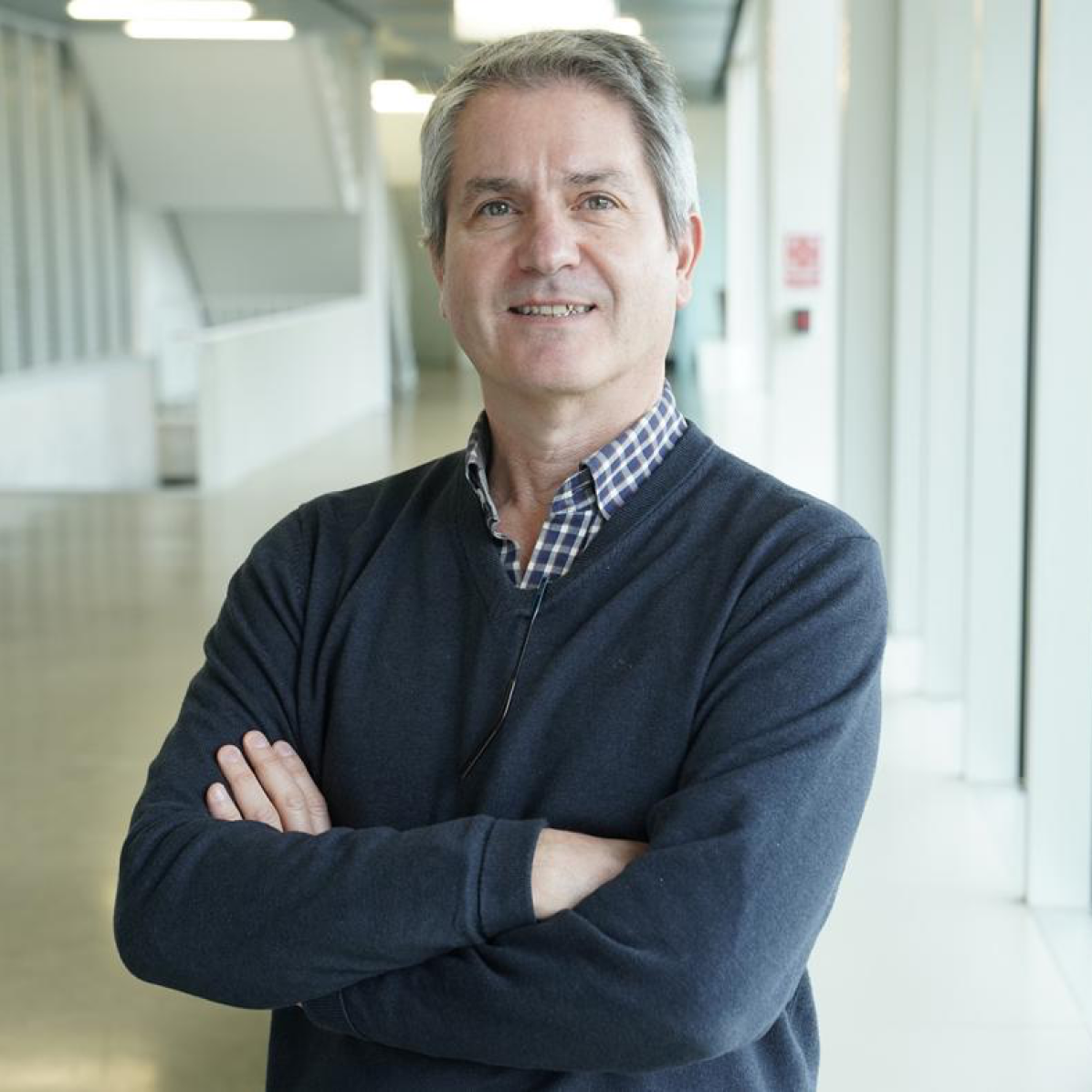
Gustavo Bodelón González began his scientific career with an MSc in Microbiology at the University of Oklahoma in the USA, followed by a PhD in Biochemistry and Molecular Biology at the University of Santiago de Compostela in Spain. His postdoctoral research at the Ludwig Institute for Cancer Research in London focused on the molecular mechanisms underlying Epstein-Barr virus-induced tumorigenesis. He then spent several years at the Spanish National Centre for Biotechnology (CNB-CSIC), where he worked on bacterial secretion systems.In 2012, Gustavo joined the University of Vigo, where his research progressively evolved towards the interface of microbiology and nanotechnology, with a particular focus on the use of SERS to study and detect microbial processes. He currently leads a research line within the Functional NanoBioMaterials group at CINBIO-University of Vigo, developing SERS-based approaches for microbial biosensing, molecular imaging, diagnostics and biomedical applications.His research has been supported by competitive national and European funding and has resulted in 34 publications, with an h-index of 26.
Gustavo Bodelón González is from Vigo, in northwestern Spain, and has always been fascinated by biological processes at the molecular and cellular levels. His scientific path began in molecular microbiology and virology and later expanded to bacterial engineering and host-microbe interactions. A turning point in Gustavo’s career was working at the interface with materials science and nanotechnology, which led him to explore plasmonic nanomaterials and SERS as powerful tools for studying microbial processes and addressing biomedical challenges such as the detection and treatment of bacterial infections.Alongside his research, he teaches Microbiology at the University of Vigo and is actively involved in the training and mentoring of early-career researchers. Gustavo has supervised three completed PhD theses, as well as numerous Master’s and Bachelor’s students and research trainees. Research, teaching and mentoring are complementary aspects of his academic role, and he particularly values the opportunity to bring them together within the HEAL-4WARD Marie Skłodowska-Curie Doctoral Network.
key publications